Totally Michigan · Original guides
Plan a Lake Superior Weekend Around One Good Base
Choose a Lake Superior base that matches your interests, then build a weekend with room for a weather change and an unhurried stop.
By Sherry Wood · Updated October 31, 2026
Munising, the Keweenaw and the Porkies can all make you want to pack the car. The trouble starts when you try to fit them into the same short weekend. Waterfalls near Munising, copper history around the Keweenaw, and the forests of the Porcupine Mountains all deserve attention. Trying to put them into one short visit can turn a promising getaway into a long sequence of parking lots and arrival times.
A better starting point is one base and one main reason for going. That works whether you are driving up from downstate, visiting Michigan for the first time, or finally using a free weekend to explore more of your own state.
Choose the kind of day you want
Picture the middle of your ideal day before choosing a room. Are you reading an exhibit, looking at a waterfall, taking a short forest walk, or sitting somewhere with a lake view? Be honest about the answer. A trip planned around ambitious hiking will not feel relaxing if what you really need is a comfortable place to pause.
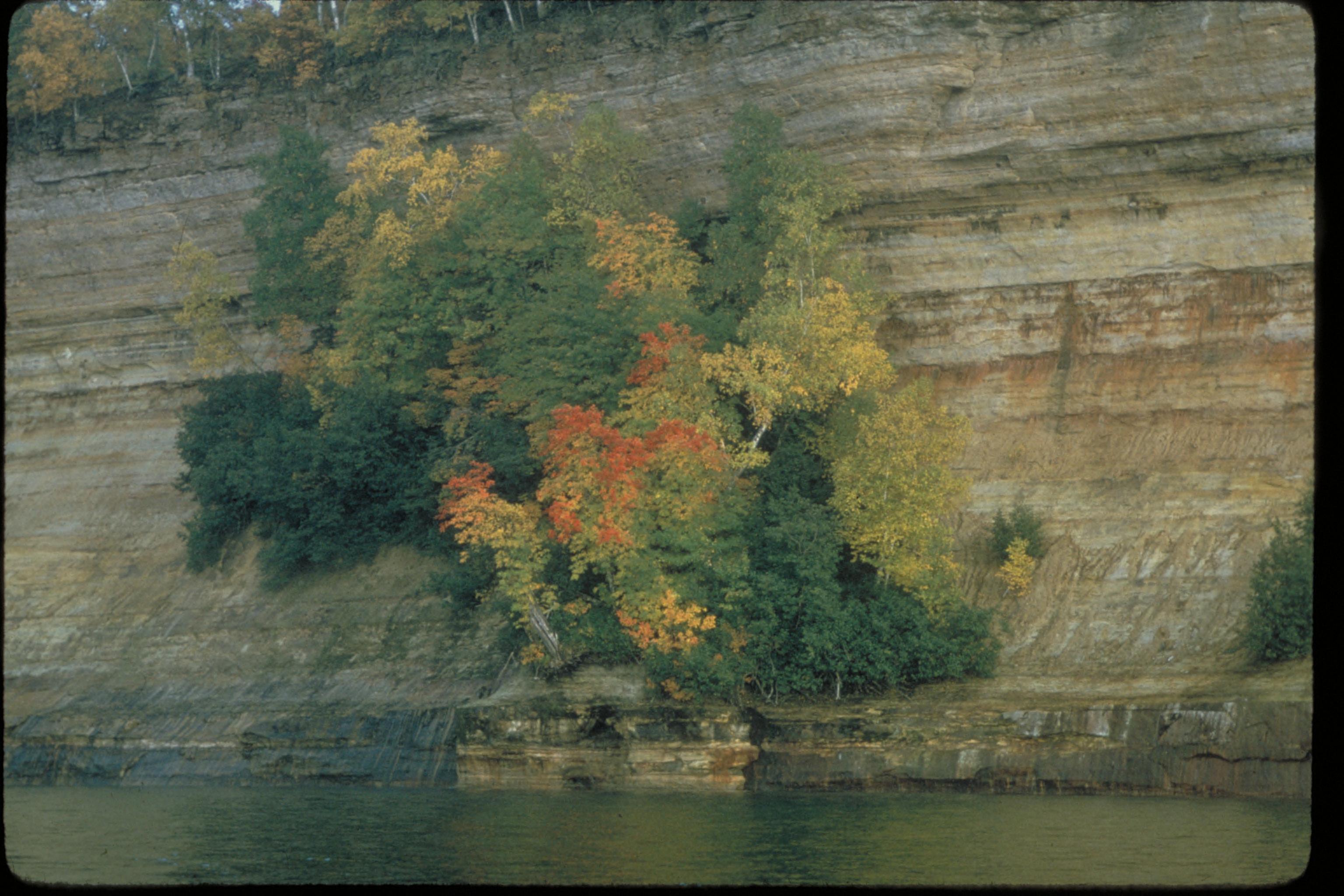
- Waterfalls and sandstone scenery: use the Pictured Rocks National Lakeshore planning pages to investigate the Munising and Grand Marais areas.
- Copper Country history: compare the Keweenaw Heritage Sites, a network of independently operated places interpreting the region’s mining story.
- Forested landscapes and overlooks: start with the Porcupine Mountains Wilderness State Park information, including its road and trail conditions.
Give each day an anchor and an option
Your anchor is the thing you would be disappointed to miss. It might be a reserved tour, a particular museum, or a walk that fits everyone’s ability. Your option is a nearby second stop that can disappear without spoiling the trip.
For example, choose one waterfall walk as the morning’s purpose. Allow time for the approach, parking, photographs, a snack and the return. Only then decide whether another stop still sounds appealing. A list of three attractions can hide six walks between the car and the thing you came to see.
Build a second version of the day before leaving home. Pair an outdoor plan with an indoor attraction whose opening information you have checked. If the weather changes, you can change the plan without spending the morning researching on a phone.
Make your accommodation do some work
Compare where a room sits relative to your chosen anchor, food and fuel, rather than selecting solely by its photograph. Ask about stairs, parking, arrival arrangements and any accessibility details that matter to your group. A beautiful room can still be the wrong base if every ordinary errand becomes another drive.
Use a map to calculate the complete day, including the return to your room. Then add breathing room. A driving estimate is not a promise about road conditions, construction, parking availability or how often you will want to stop.
Leave one thing for next time
Keep a small “next trip” note instead of extending every day. Write down the town, museum or stretch of shoreline that interested you, along with the reason. That makes a future visit easier and lets this one have a sensible ending.
The useful souvenir is not proof that you covered the largest area. It is a few places you can remember clearly: the view you stayed with, the history you had time to understand, or the quiet meal you did not have to rush. One well-chosen base gives those moments a chance to happen.
Check park alerts, individual attraction schedules and road conditions before travel. This is a planning approach, not a promise of access, operating hours or suitable weather.
| Consider this base | Build the trip around | Leave room for |
|---|---|---|
| Munising / Grand Marais area | Pictured Rocks shoreline, scenery and suitable walks | A weather-dependent change of plans; check specific access |
| Houghton / Calumet area | Copper Country history and Keweenaw Heritage Sites | Individual sites’ schedules and travel between them |
| Ontonagon / Silver City area | Porcupine Mountains forest, overlooks and shoreline | Current park road and trail conditions |
What a two-night plan can look like
Use the arrival evening to settle in, locate breakfast and look at the next day’s weather. If there is time for a nearby view, enjoy it. Do not make a reserved attraction dependent on a long drive going perfectly. A delayed departure from home should cost you an optional stop, not the centerpiece of the weekend.
Give the full day one main outing. If you choose the Munising area, use the official Pictured Rocks information to select an activity that suits your group and current conditions. A long hike, a boat excursion and several scenic stops are different kinds of days. Putting all three on a list does not create more daylight or energy.
On departure morning, choose something modest near your base, or leave after a slow breakfast. Think about the drive home as part of the plan. A late addition that sends you farther from your route may be worth saving. Write down what interested you so it becomes the beginning of another visit.
Read the season before packing the bag
Summer beside Lake Superior does not mean every hour will feel warm. The National Park Service describes rapidly changing weather at Pictured Rocks and the lake’s influence on temperatures. A waterproof outer layer, additional warm clothing and a plan you can shorten make more sense than packing solely for the temperature you hope to get.
Pictured Rocks: average monthly high and low temperatures
Degrees Fahrenheit. Dark blue = average high; teal = average low.

The chart explains why a May afternoon and a May evening can need different clothing. It cannot tell you whether a particular trail is open, whether a boat will run or whether tomorrow will be calm. Check the current forecast and the operator’s own updates shortly before the activity.
Use the official map before the road trip
The Pictured Rocks planning information warns that cell reception is limited in much of the park. Download the maps and information you need ahead of time. Save the specific destination, not just the park’s name, so navigation does not send you toward an entrance or facility unrelated to your plan.
For a Copper Country trip, the Keweenaw National Historical Park planning pages help explain the spread of heritage sites. Look at each place’s own schedule. A network of sites across a region should not be treated like one building with one opening time.
For the western U.P., read the Michigan DNR Porcupine Mountains information before choosing your day’s outing. Confirm the relevant roads, parking and trail details. A photograph of an overlook does not explain the route, effort or access arrangements for everyone in your party.
Ask better questions when you book
If stairs, walking distance or parking matter, ask about those exact details before paying for a room. “Accessible” can be too broad for the decision you need to make. Describe the feature you require and ask the property to confirm it. Check cancellation terms and arrival arrangements in the same conversation.
Locate food and fuel around the route you intend to use. Save one backup for dinner, particularly when traveling outside the busiest season. An attraction’s general listing can remain online while its seasonal operation has ended. Check the current information directly rather than building the weekend around an old roundup.
Want to see what else belongs on a future trip? Browse the Michigan Journal and the town directory. Pick one area for this weekend and give it your attention. The rest of the U.P. will make a fine reason to come back.


